
neil kamimura
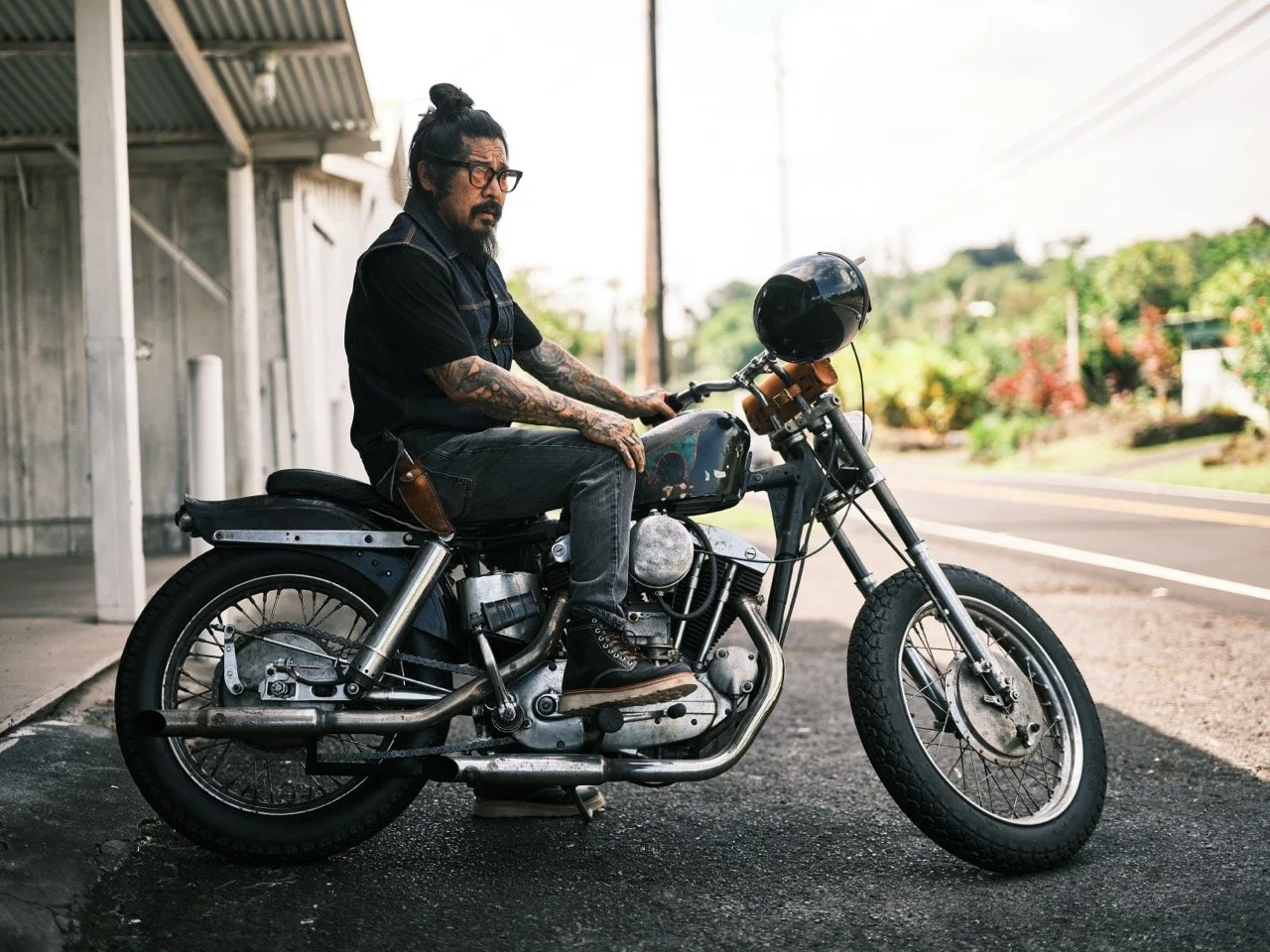
DEAN intro:
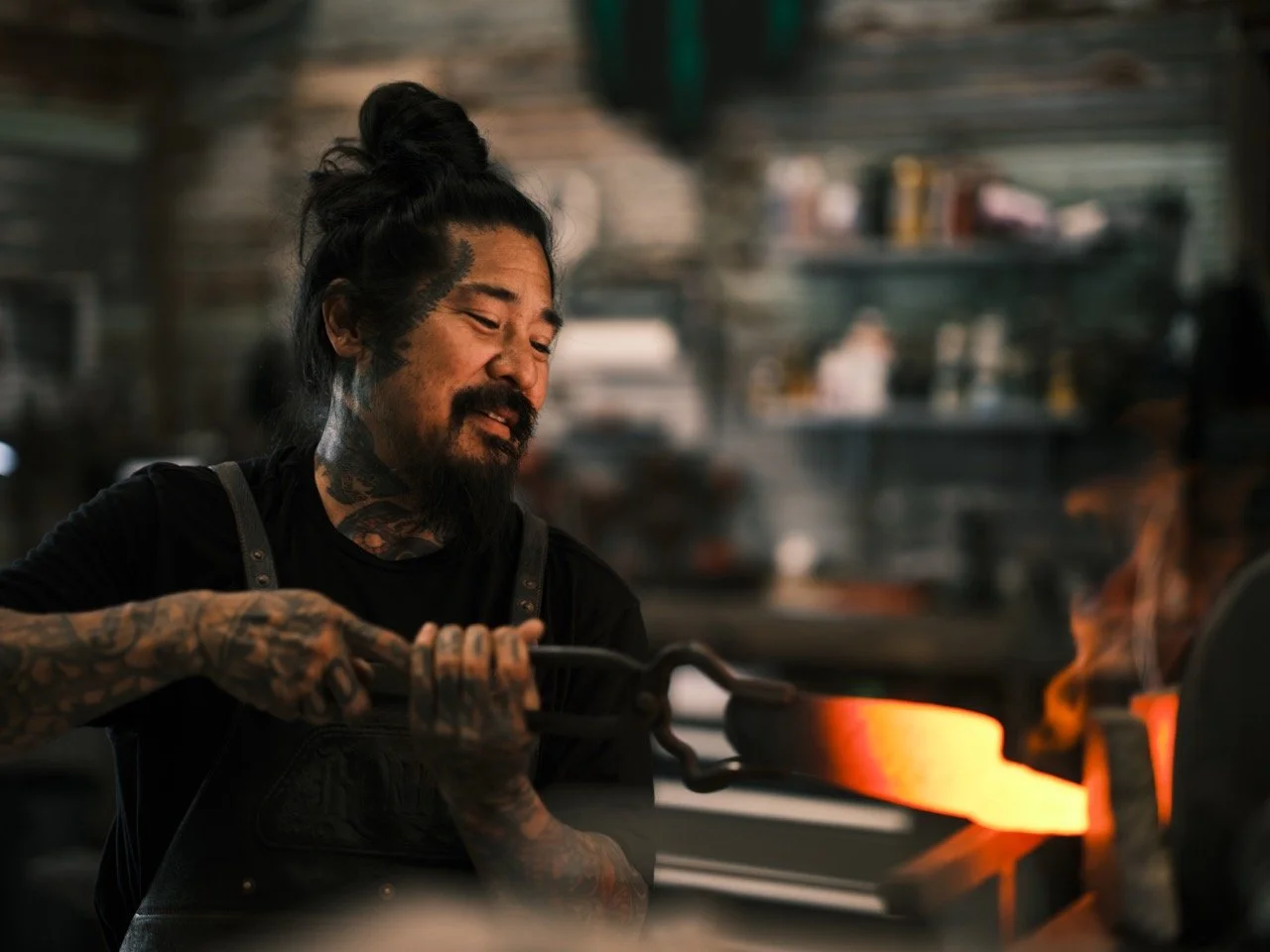
Hello mate, thanks for taking the time to answer some questions for us. Let’s kick it off with a couple classics, who are you and what do you do?
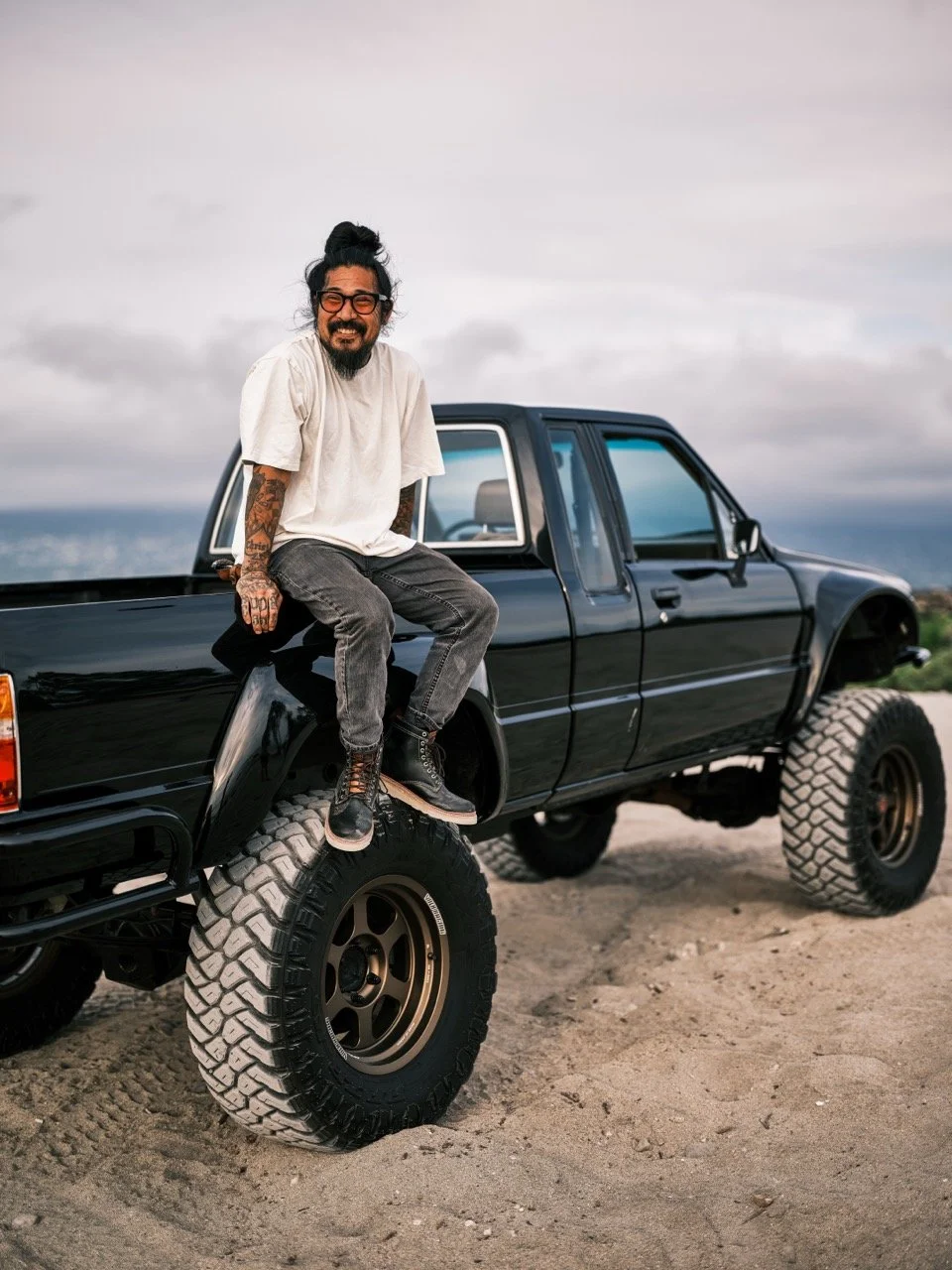
Neil Kamimura: My name’s Neil Kamimura. I’m a bladesmith. I live in Holualoa in Kailua-Kona in Hawaii.
Before knives came along, what were you into?
Neil: Prior to making knives, my passion was working on cars—’50s and ’60s cars. That’s always been my passion growing up as a kid. It’s always what I thought I would do for a living, and so that kind of carries on into bladesmithing.
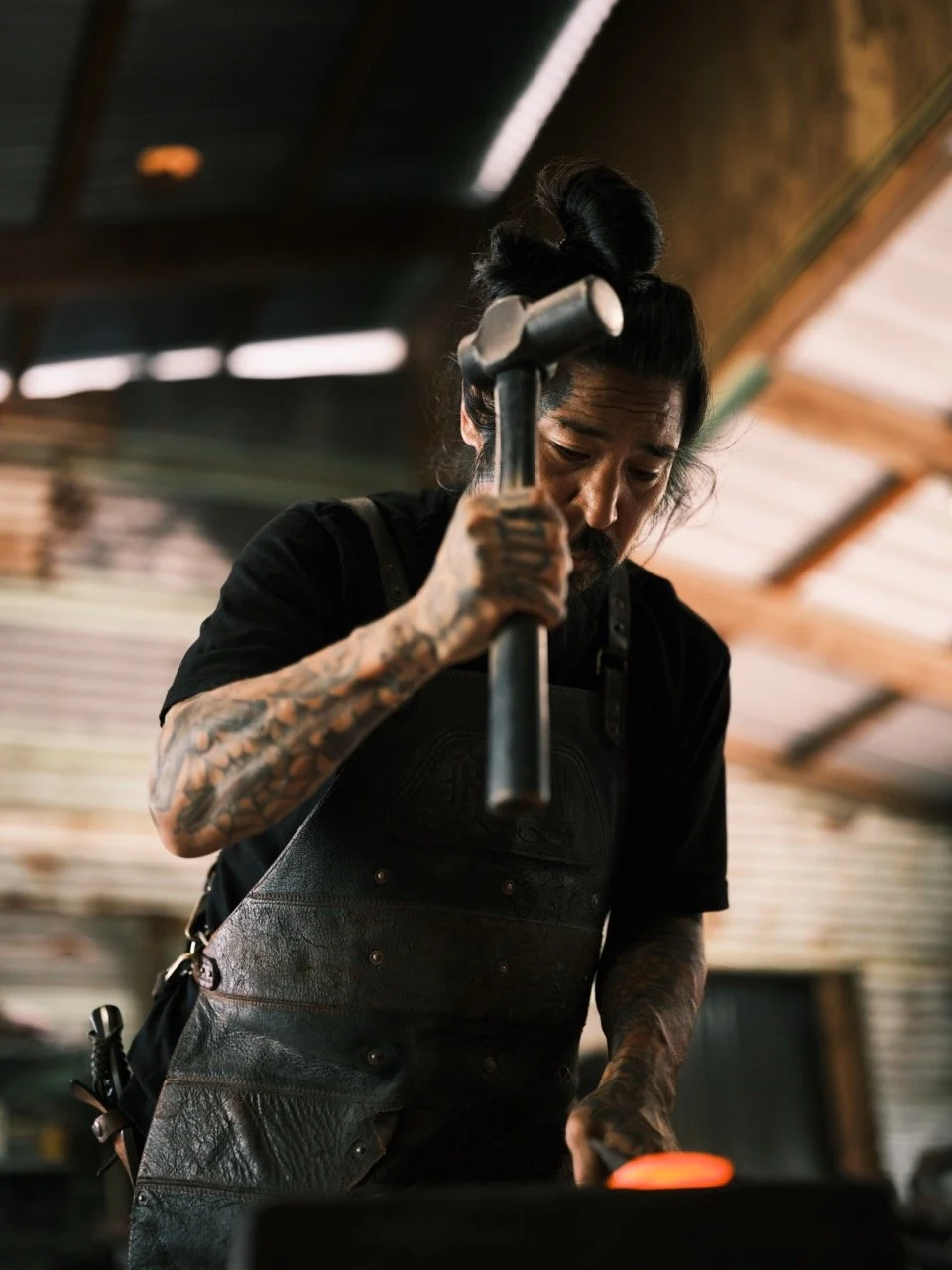
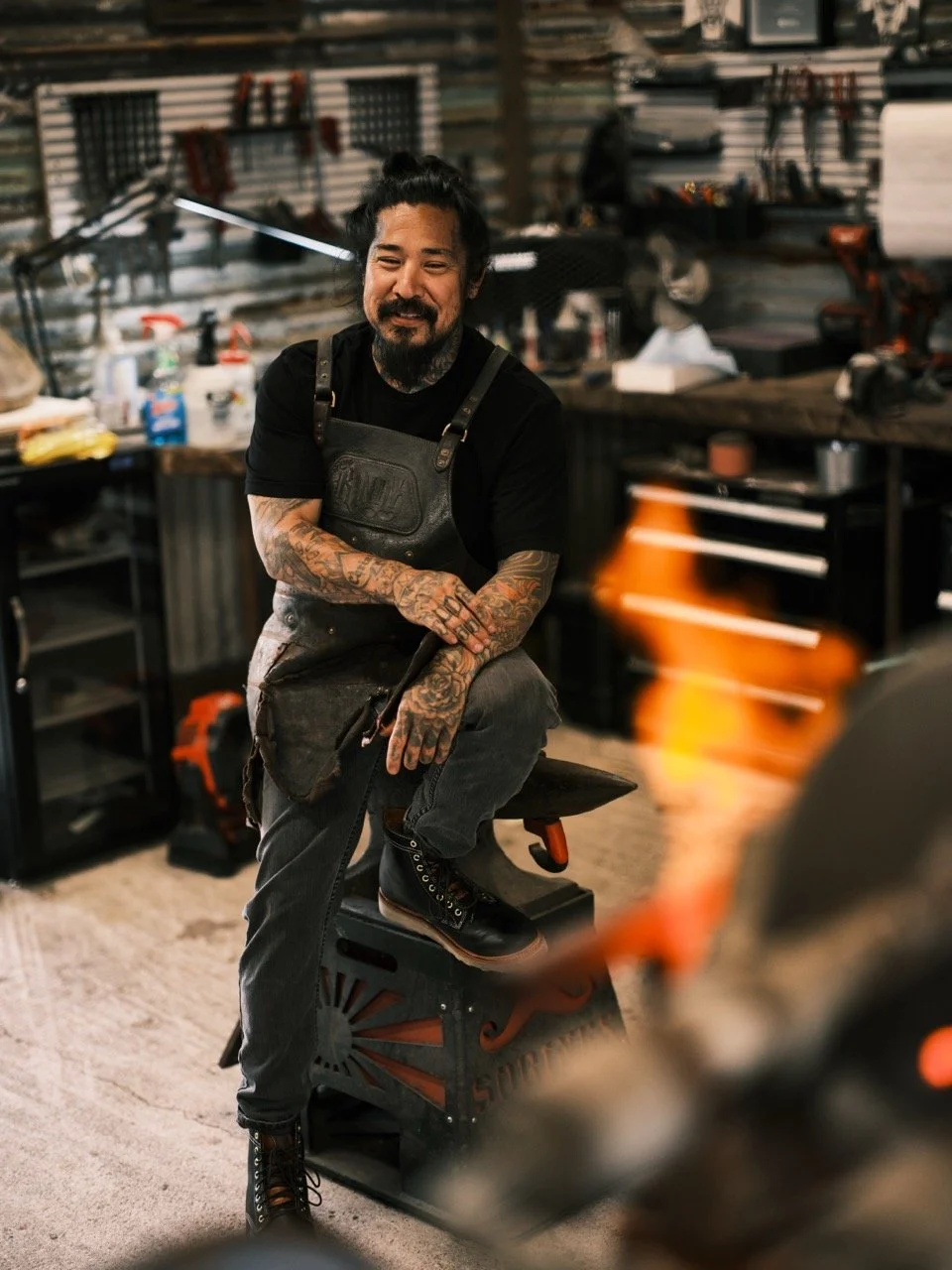
It all runs in the family, right? Tell us about your great-grandfather.
Neil: My great-grandfather was a famous blacksmith, and I have the same name as him. He was a blacksmith in Hilo, straight out of the plantation, owned his own business. I kind of carried that legacy of his name.
You’ve spent your life working with your hands. How did designing a work boot come about?
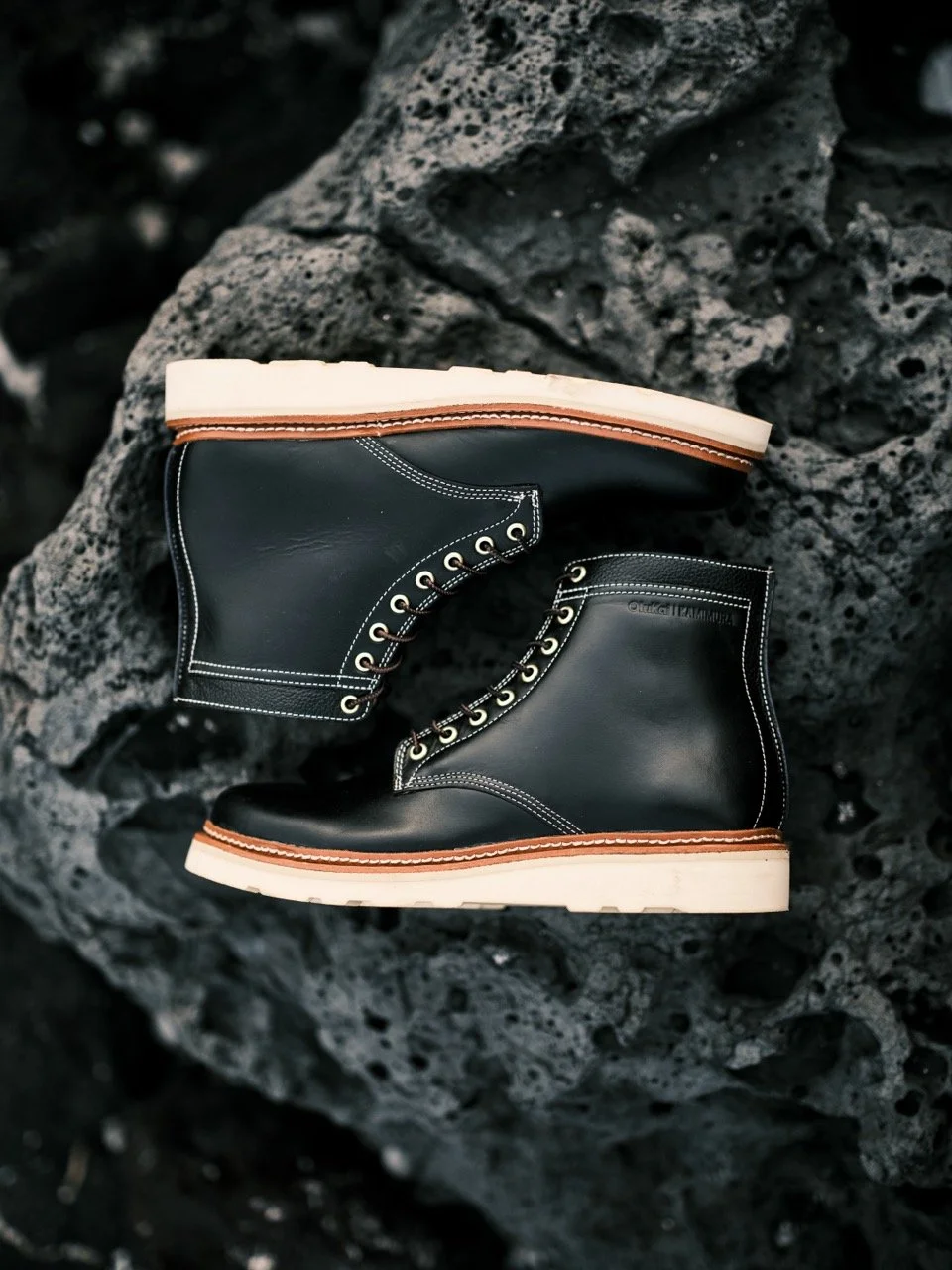
Neil: I think what’s fitting about me designing a work boot is I’ve lived my whole life in one. I’ve never not worked, whether I was an electrician in the union or working construction or a mason. I’ve done all fields of trade.
You’ve always been into the lines of ’50s and ’60s cars. Does that carry over into your knife making?
Neil: I’ve been looking at beautiful lines of 1950s cars my whole life, and it kind of goes hand in hand into the knife making. Simplicity, lines, flow, design.
What were you looking to get out of the boot?
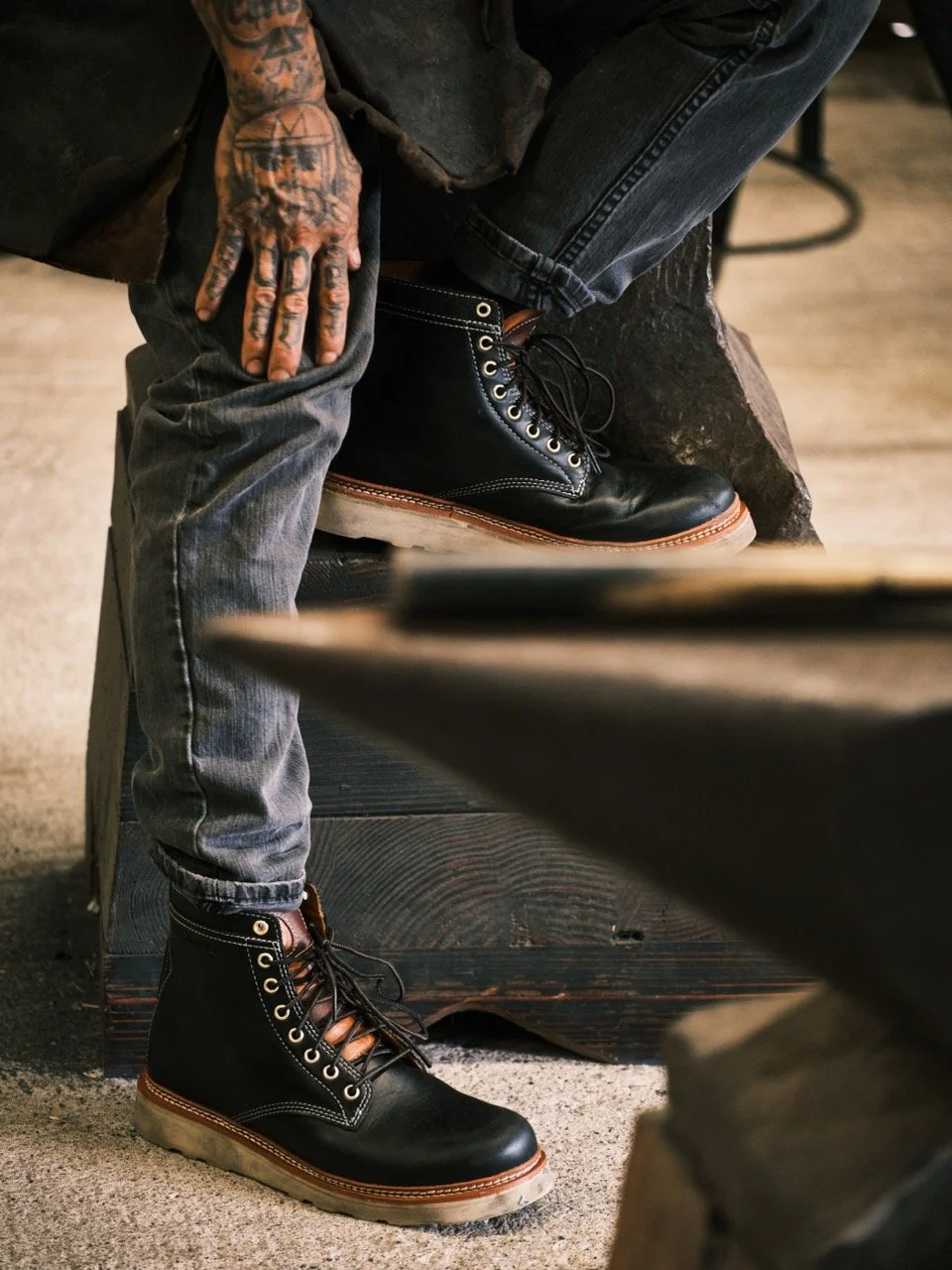
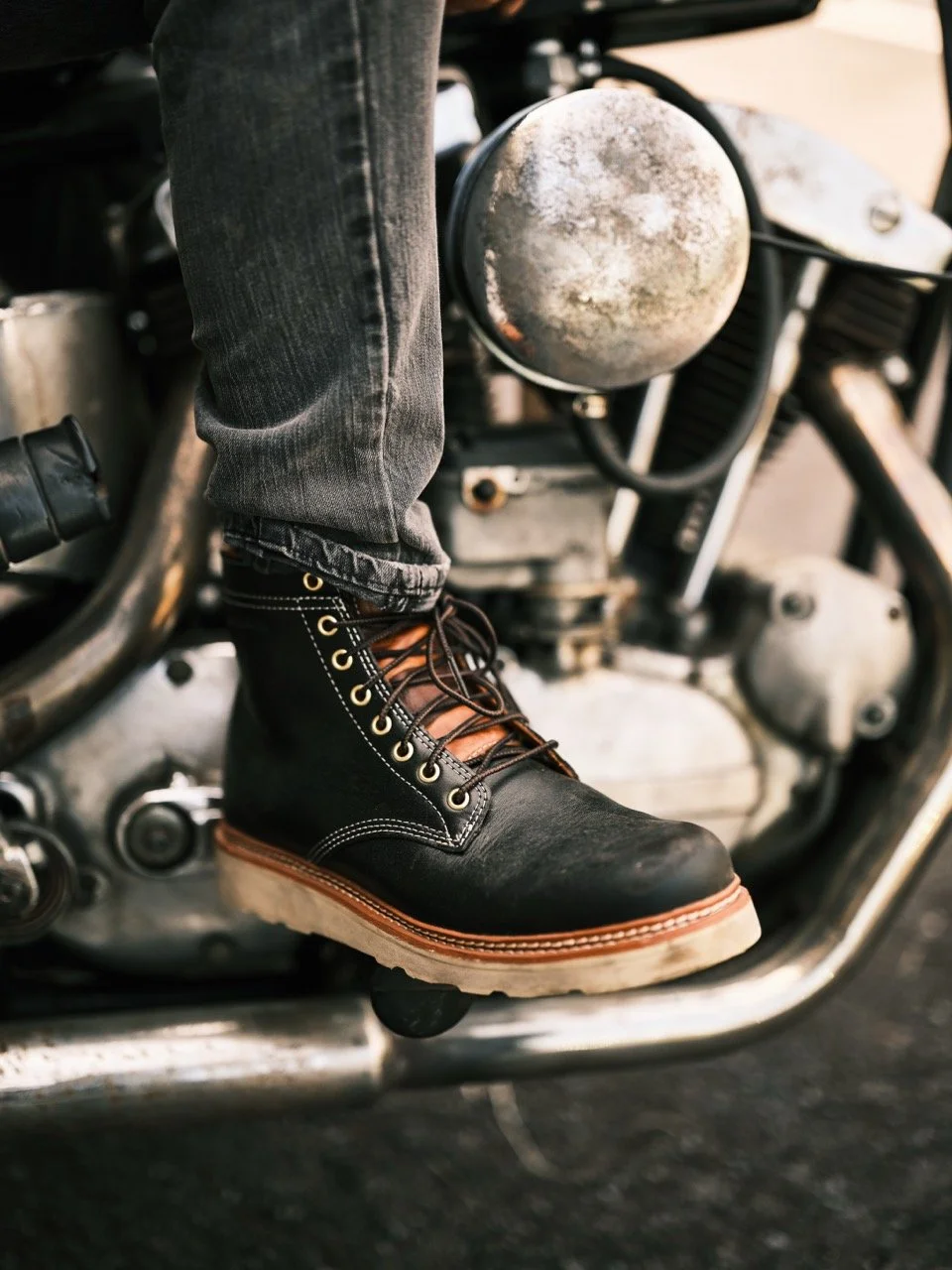
Neil: It’s something that can be worn in both worlds. I don’t want to design a shoe just for the most hardcore guys. Maybe they wear this boot and they never touch dirt with it, I don’t care. Whether they buy it purely for style or protection, it doesn’t really matter to me.
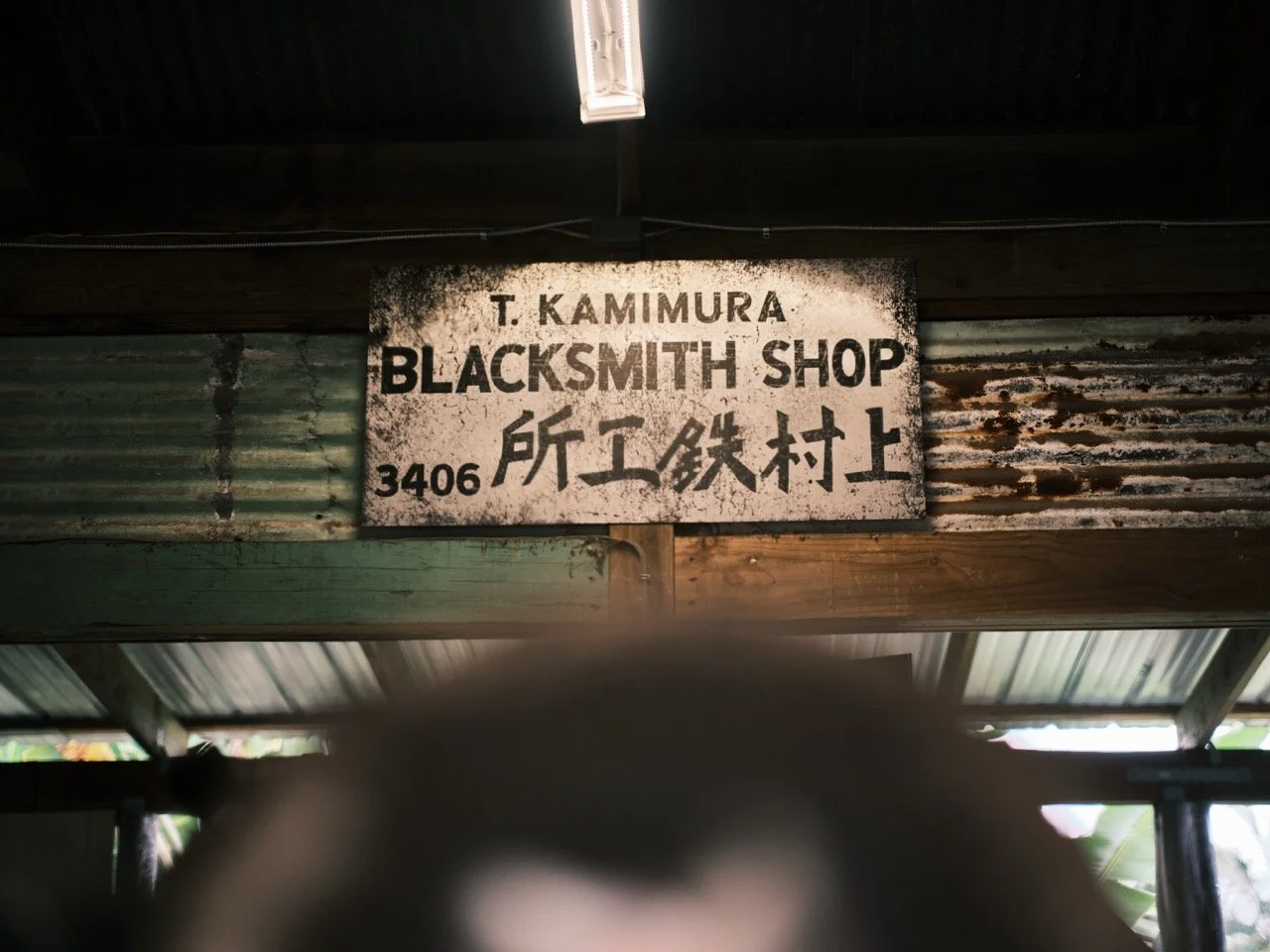
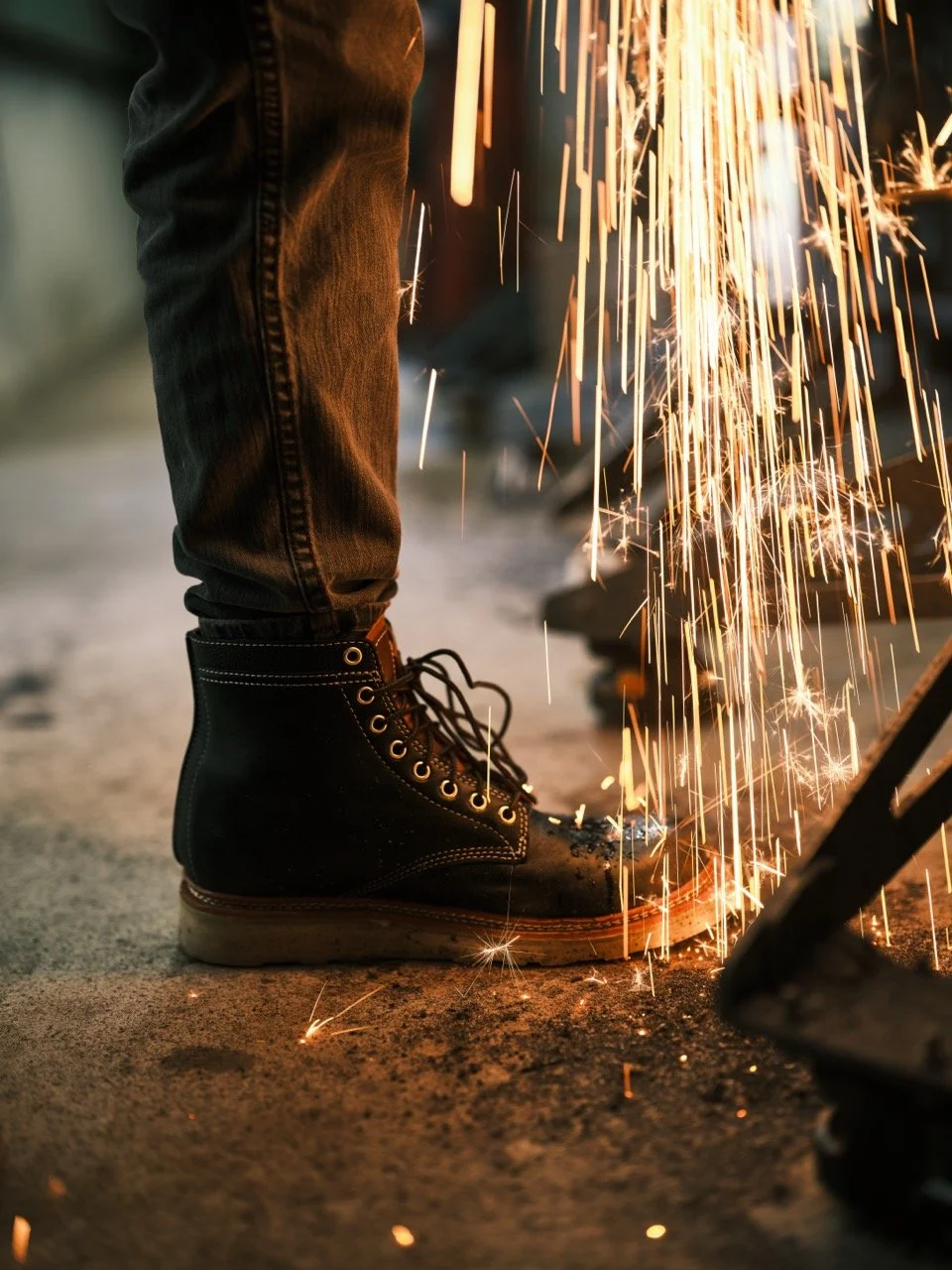
I’m a person that has to walk into both worlds, where I’m standing in a blacksmith’s shop forging and grinding knives, and I have to walk into a meeting in the big city, and I wear the same shoes.
I remember the first time I was wearing one of my work boots in Portland, and somebody came up to me and they’re like, “What brand shoe is that? It looks like a shoe that I have, but it’s so patinaed.”
And I was like, “Yeah, I work in them.”
You’re proud of where you come from. How important is representing Hawaii to you?
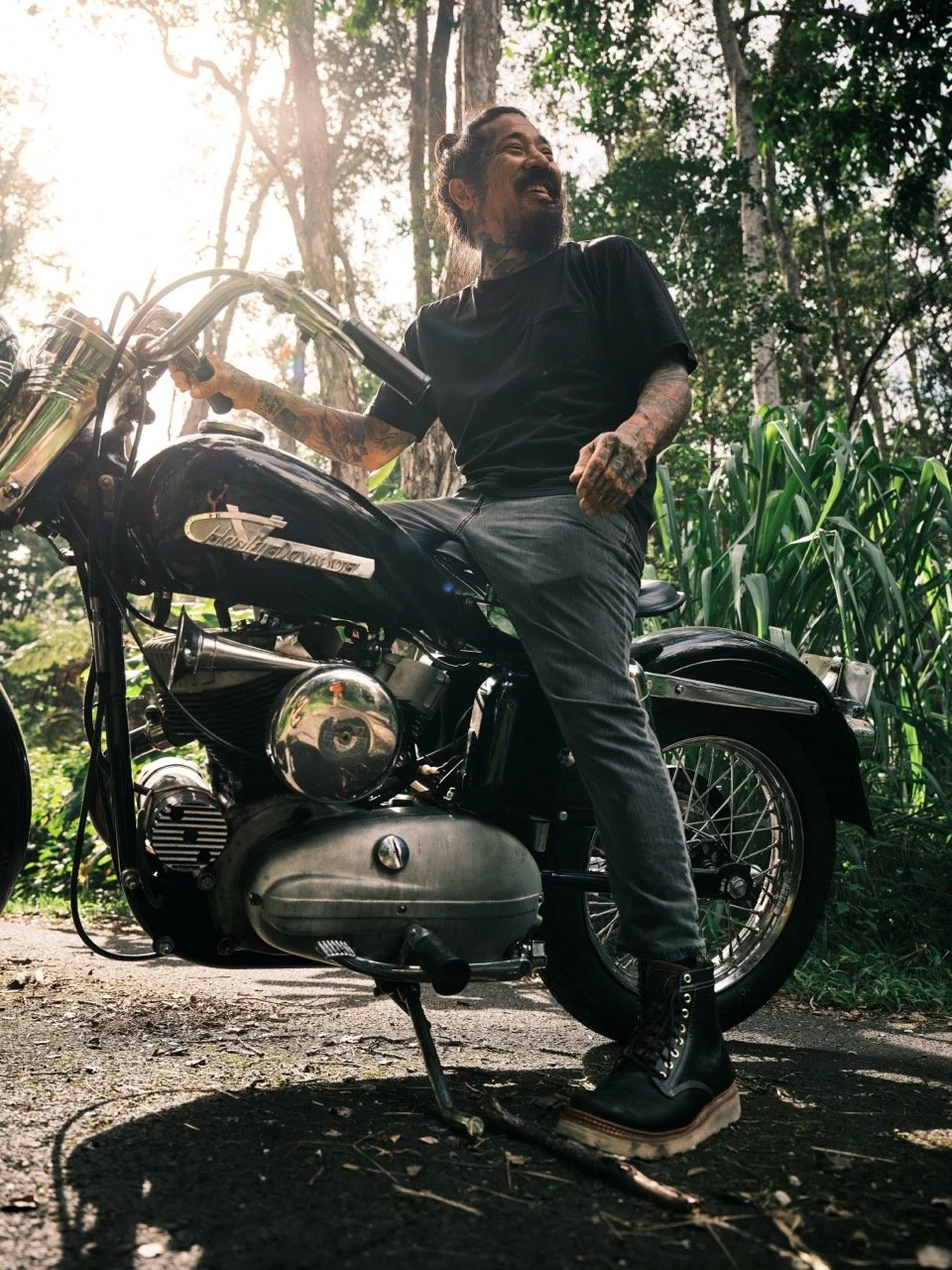
Neil: I represent Hawaii. So the highest compliment I can get is when I see somebody from Hawaii, and they’re like, “Hey, you’re representing us hard. Good job.”
That’s about the highest compliment because that’s what I take so serious—is where I’m from. It’s the most important part of my life. Family, which is my kids, my community and Hawaii. I don’t ever want to do something that brings dishonor to Hawaii.
The best thing that we can show people is that we’re a hardworking culture that shares respect.
Why was it important to you that the boot could age and be repaired?
Neil: We live in a very disposable world where items don’t mean anything anymore. There isn’t an investment in a relationship into items anymore.
I think it’s important that when it came to this boot design, one, it would last. One, it would do what we say it would do, which is protect your feet, keep your feet dry. And then also work on having a relationship with a shoe where it does look very shiny and nice, and then you put the miles on it one step at a time.
What’s the appeal of something that’s been worn in and has a few miles on it?
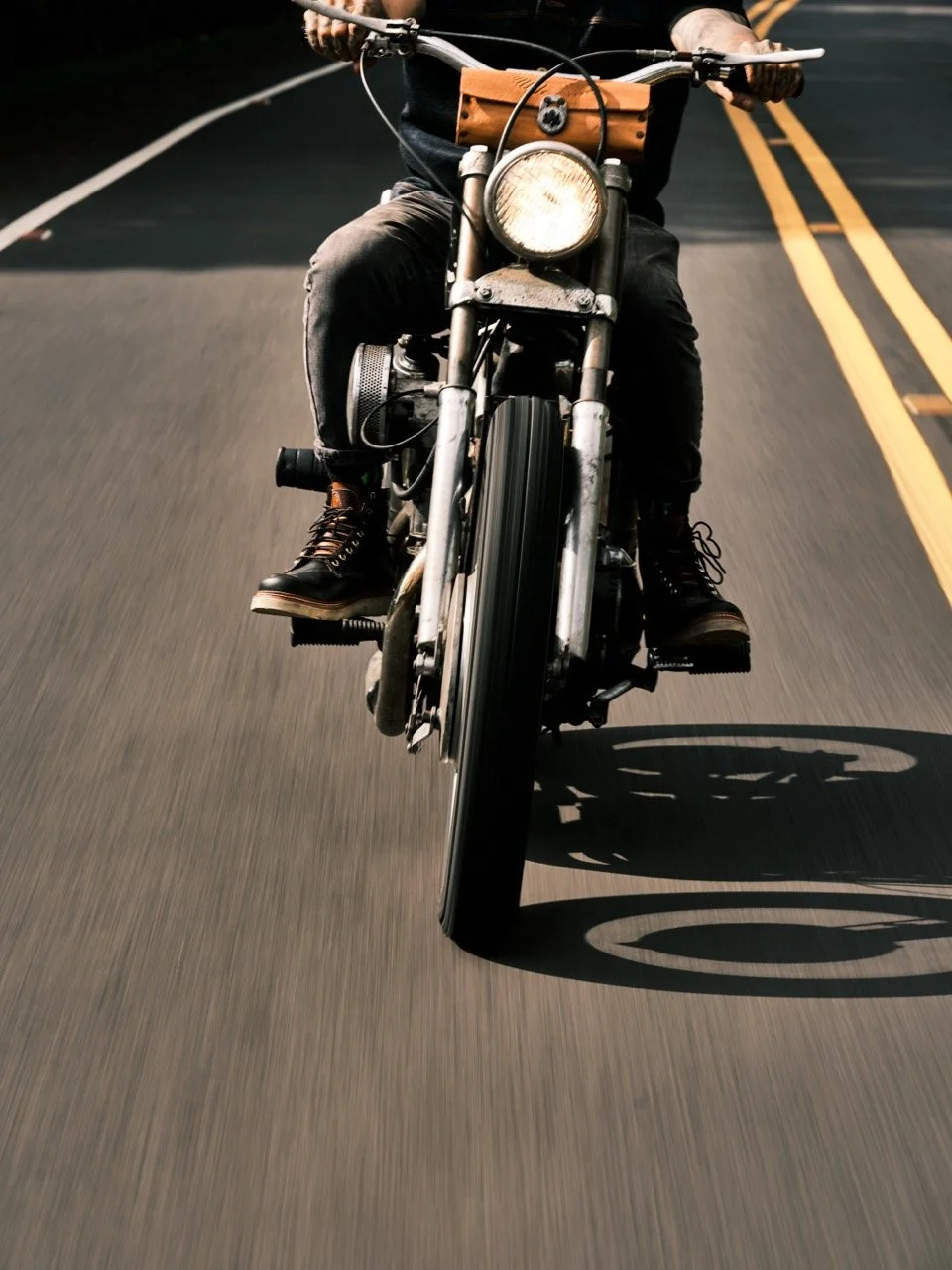
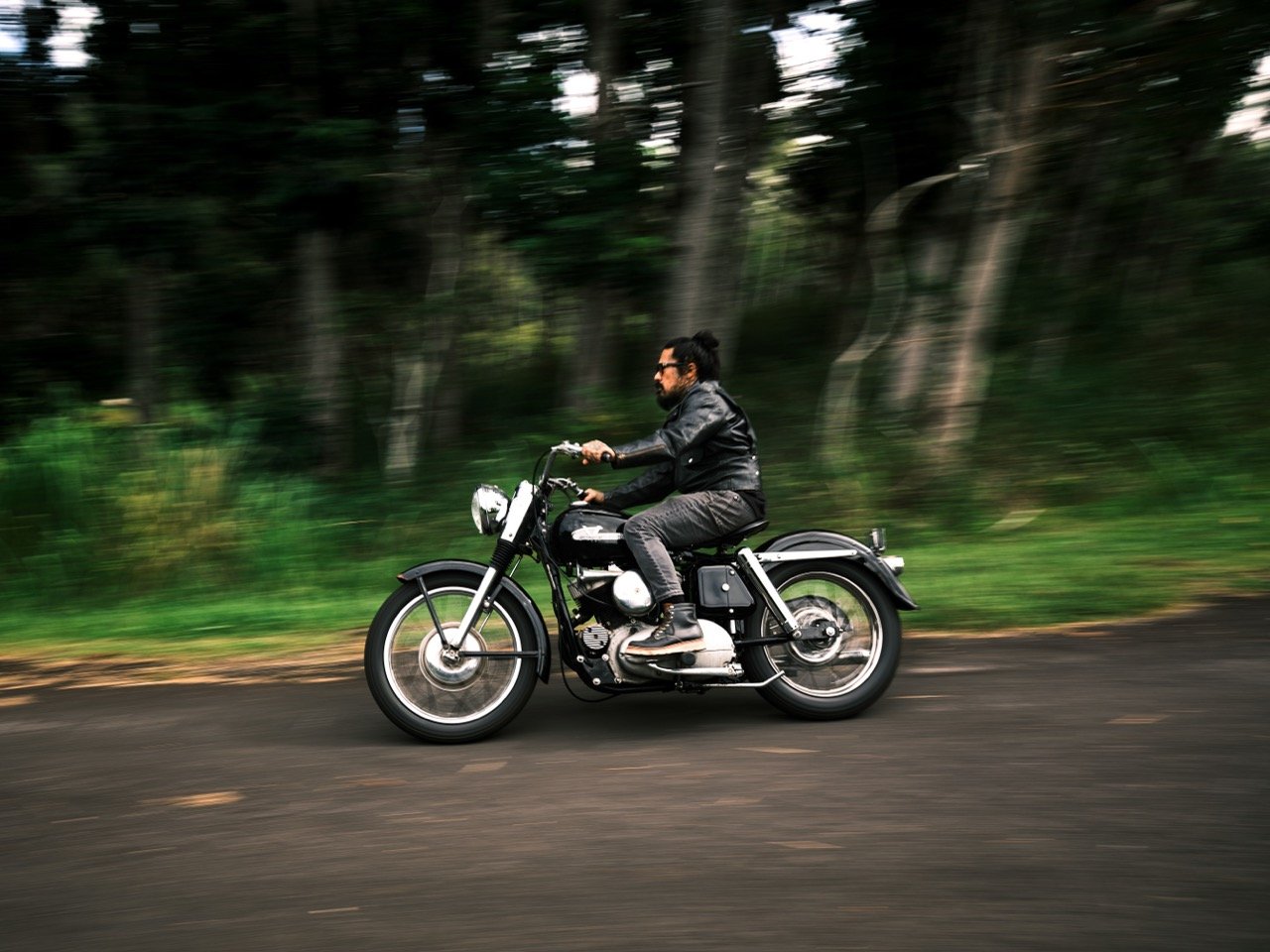
Neil: Shoes don’t last forever, but it can really tell your story because you’ve taken step by step in life. I think it’s the same for motorcycles, it’s the same as carbon steel knives. It tells the story of how well you use them.
Not everything needs to be shiny and perfect. There’s history behind it. I want things to have a soul to it.
Why is making things by hand still so important to you?
Neil: I think as an artist, it’s important to stay true to what you believe in, as far as what works for you.
For me, I don’t just make knives because it’s for money. Obviously it’s a business and it’s very important to me to be successful, but even if I wasn’t selling knives, I would still wake up every day and do it because it’s a necessity for me to be sane.
With everything going digital, what does staying analog mean to you?
Neil: The analog in a day where everything’s AI, everything is disposable, you’re like a cowboy in the last day and ages of it getting less and less. Unless I do it, and other people like me do it, it’ll get lost forever.
Away from the work, who is Neil Kamimura?
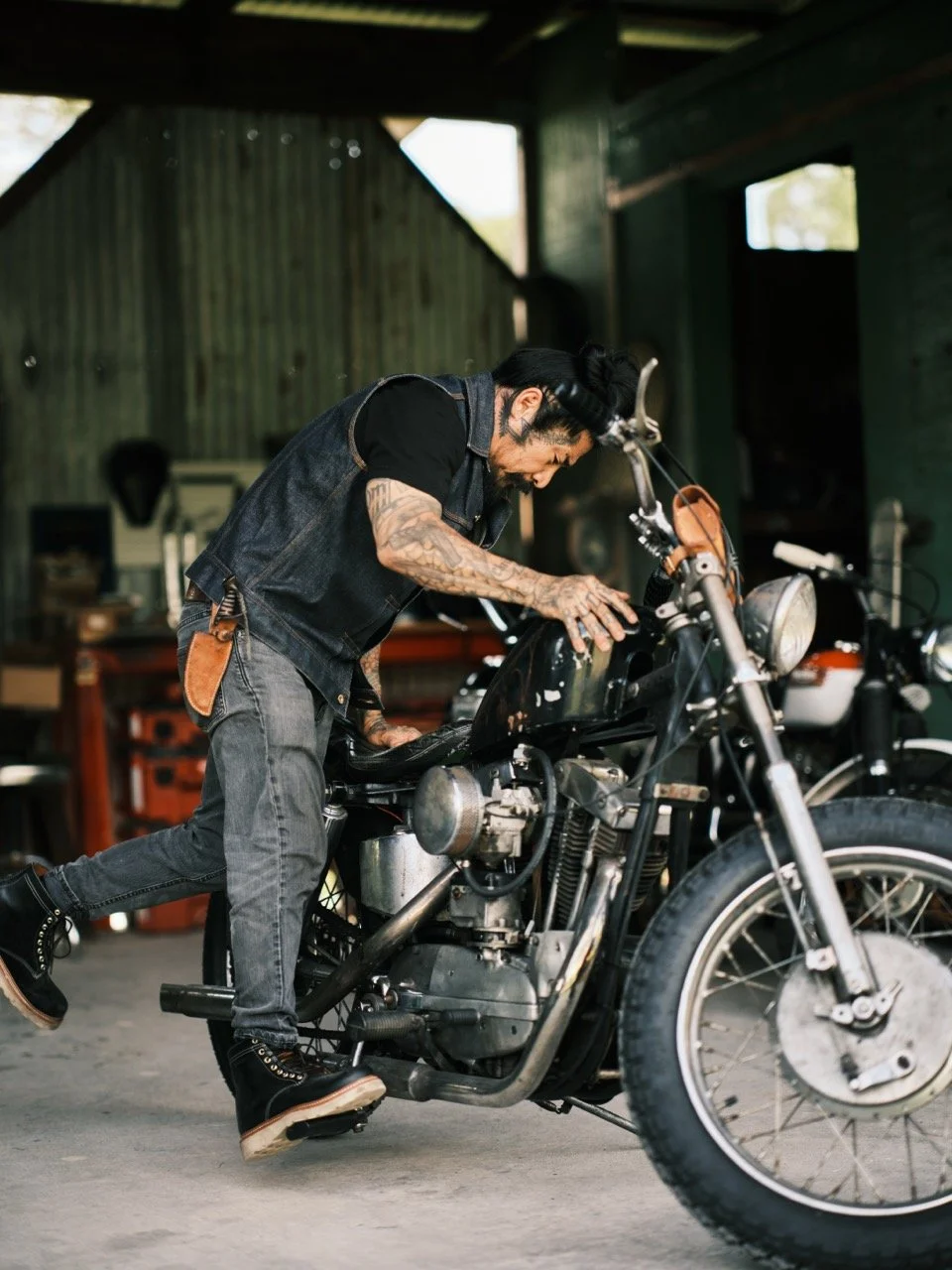
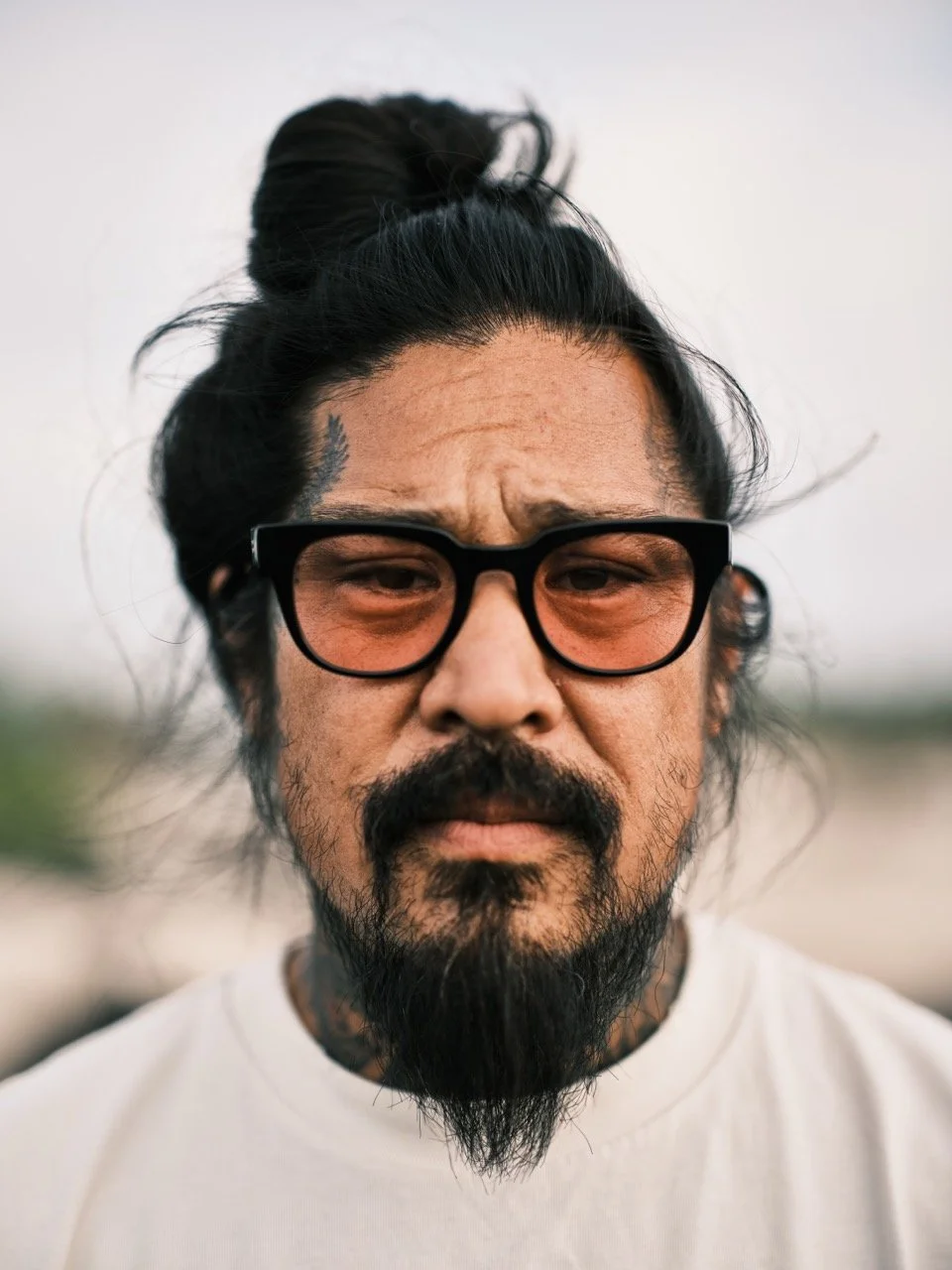
Neil: I’m just a father, and when you’re a father, all that matters is leaving a legacy behind for your children, making their name mean something more than the last. And that’s what drives me every day.
My kids have hands down saved my life. So yes, my identity is a bladesmith, but first and foremost, I’m a father.
Check out Neil’s boots - https://olukai.com/